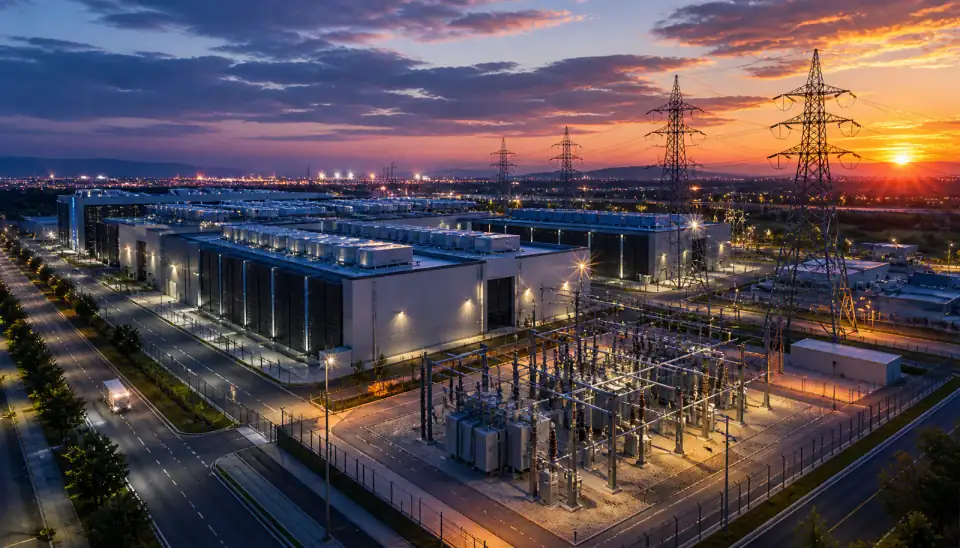
The AI War Enters the Age of Power and Collateral
China is institutionalising AI access while the United States turns large-scale electricity access into a test of grid readiness, operating flexibility and financial collateral.
Category Intelligence
Chips, data centers, grid demand, capital spending, and adoption signals.

China is institutionalising AI access while the United States turns large-scale electricity access into a test of grid readiness, operating flexibility and financial collateral.

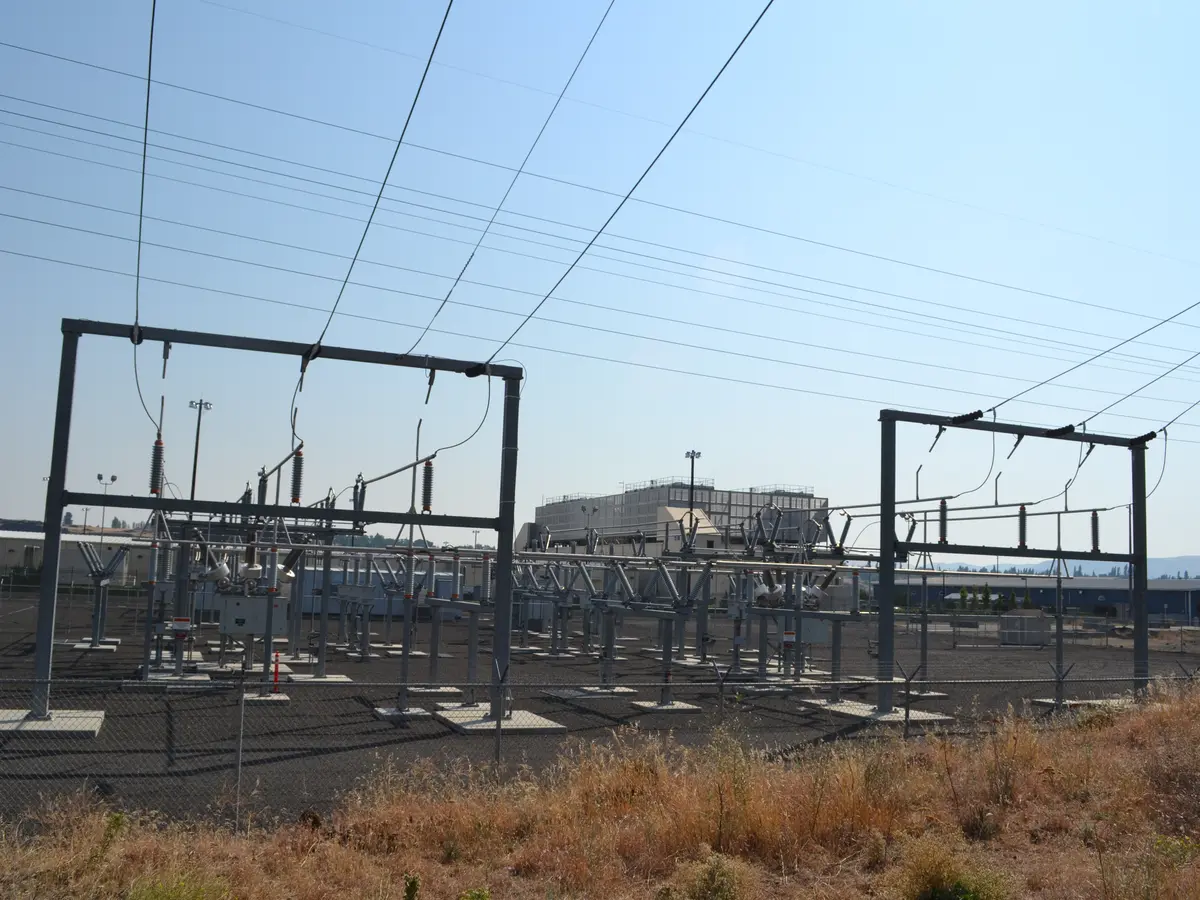
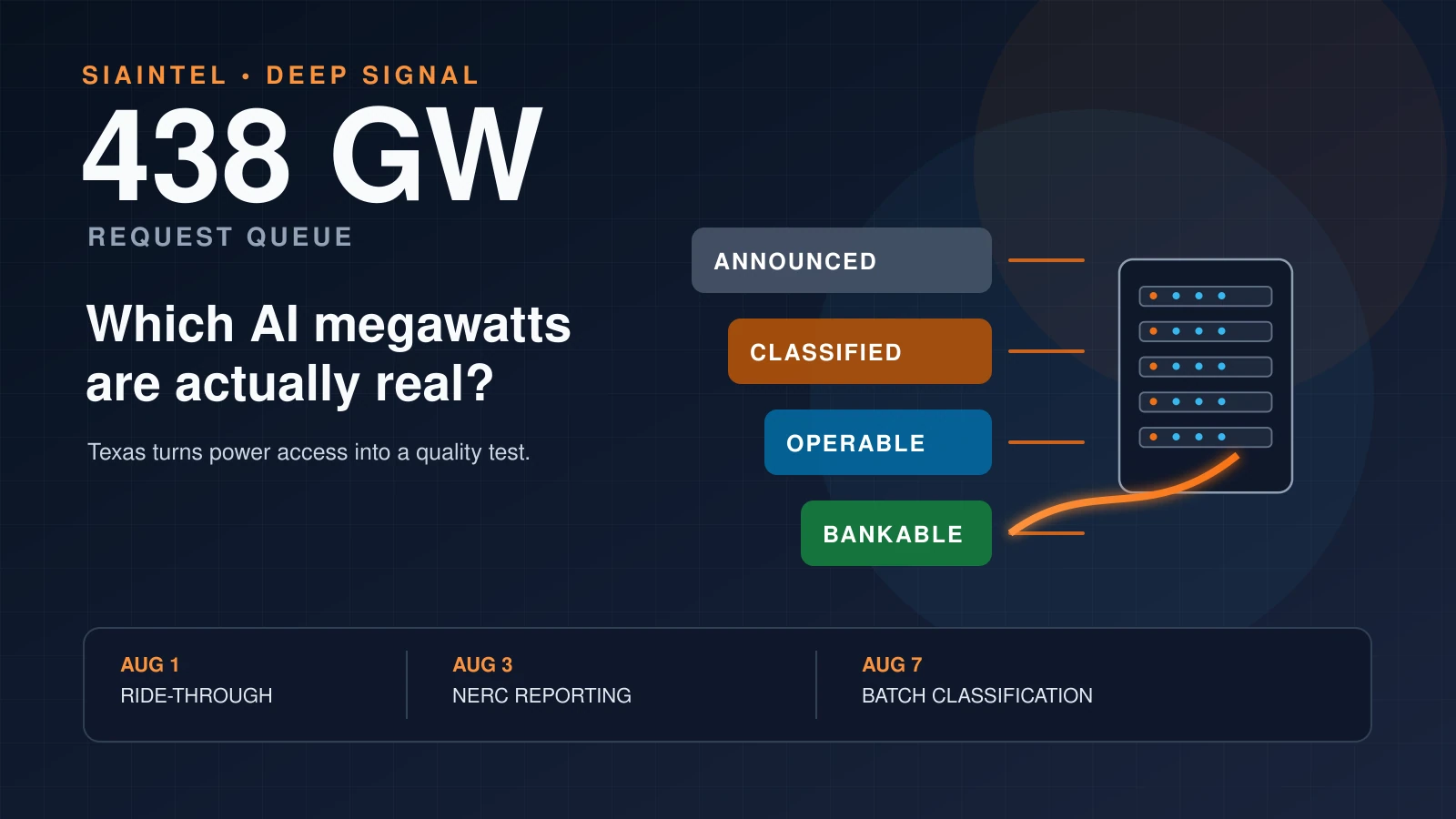
Nearly 90% of ERCOT’s 438 GW queue comes from data centers. On August 7, Batch Zero will show which AI projects advance—and which remain speculative.

More than $70 billion in AI/HPC contracts is turning bitcoin miners into energy-backed data-centre companies financed by Big Tech.

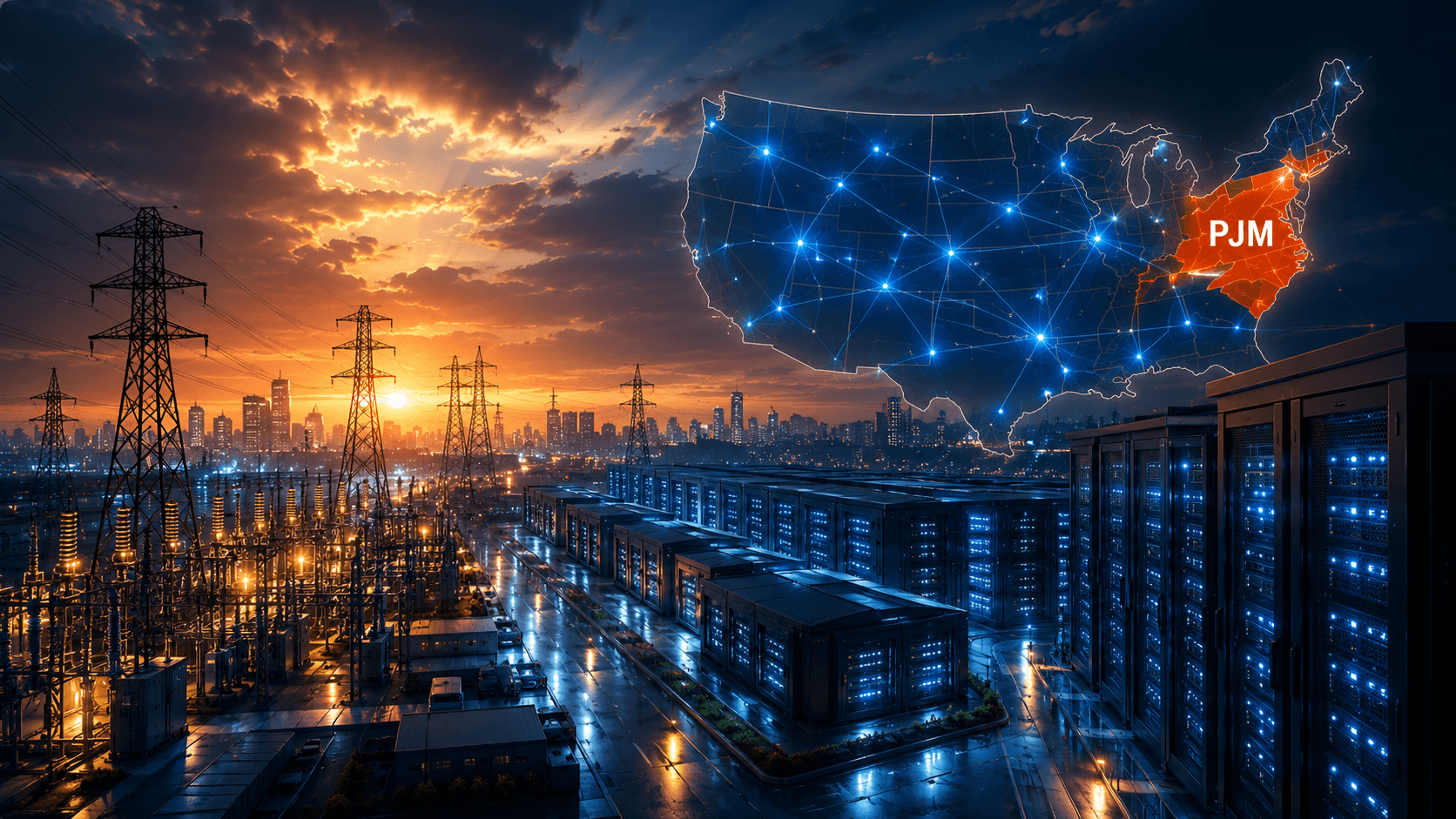
PJM’s July 14 auction, a $325/MW-day cap and 160-week equipment delays show why AI’s next bottleneck may be firm power.

On July 3, PJM turned demand response into a live AI infrastructure signal. The grid was not only pricing electricity. It was rationing flexibility. For data centers, utilities and investors, the next scarci...

As EU data center capacity heads toward 28 GW by 2030, AI power demand is reshaping electricity prices, grid investment, industrial competitiveness and the green transition.

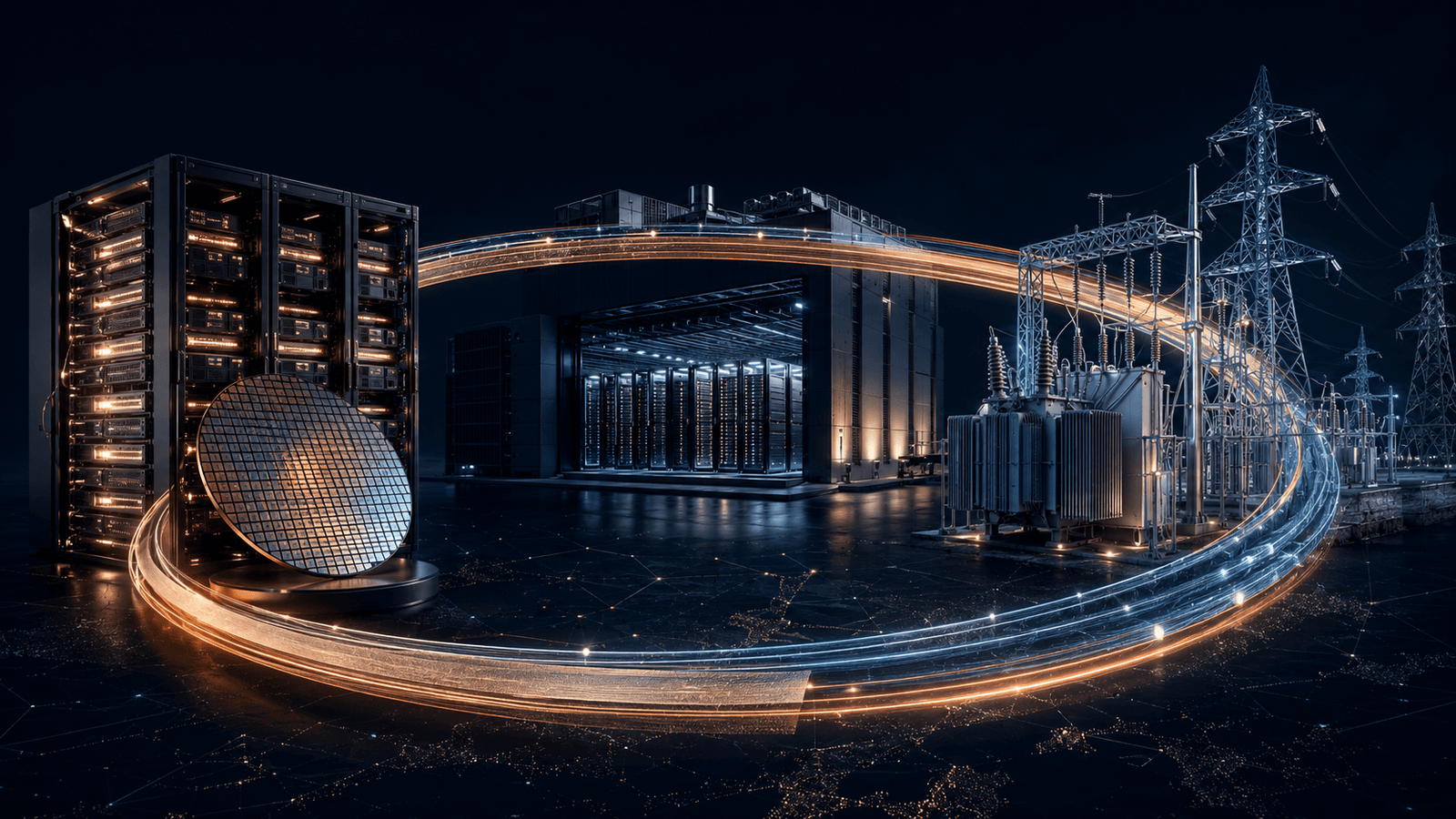
AI’s next bottleneck is moving beyond chips toward power grids, data-center infrastructure, nuclear energy agreements and capital intensity.

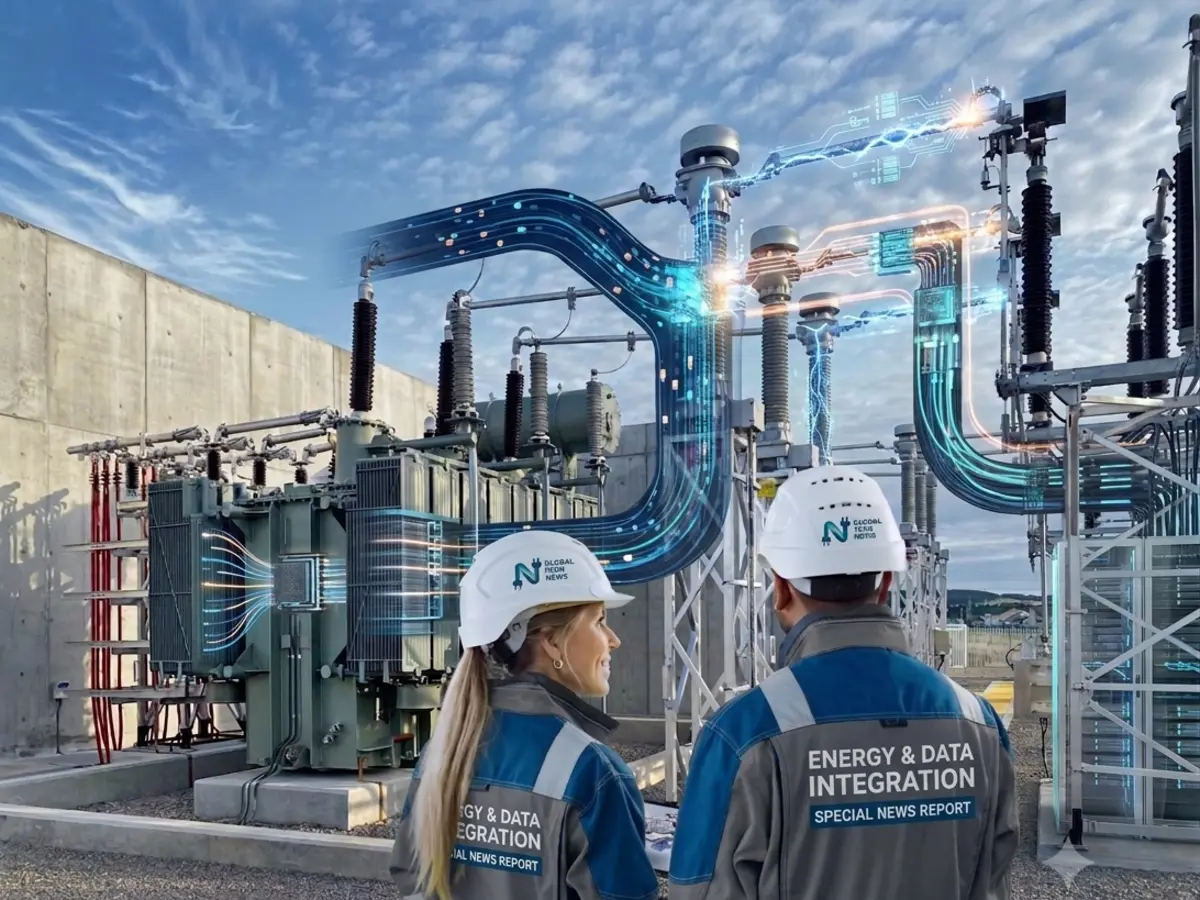
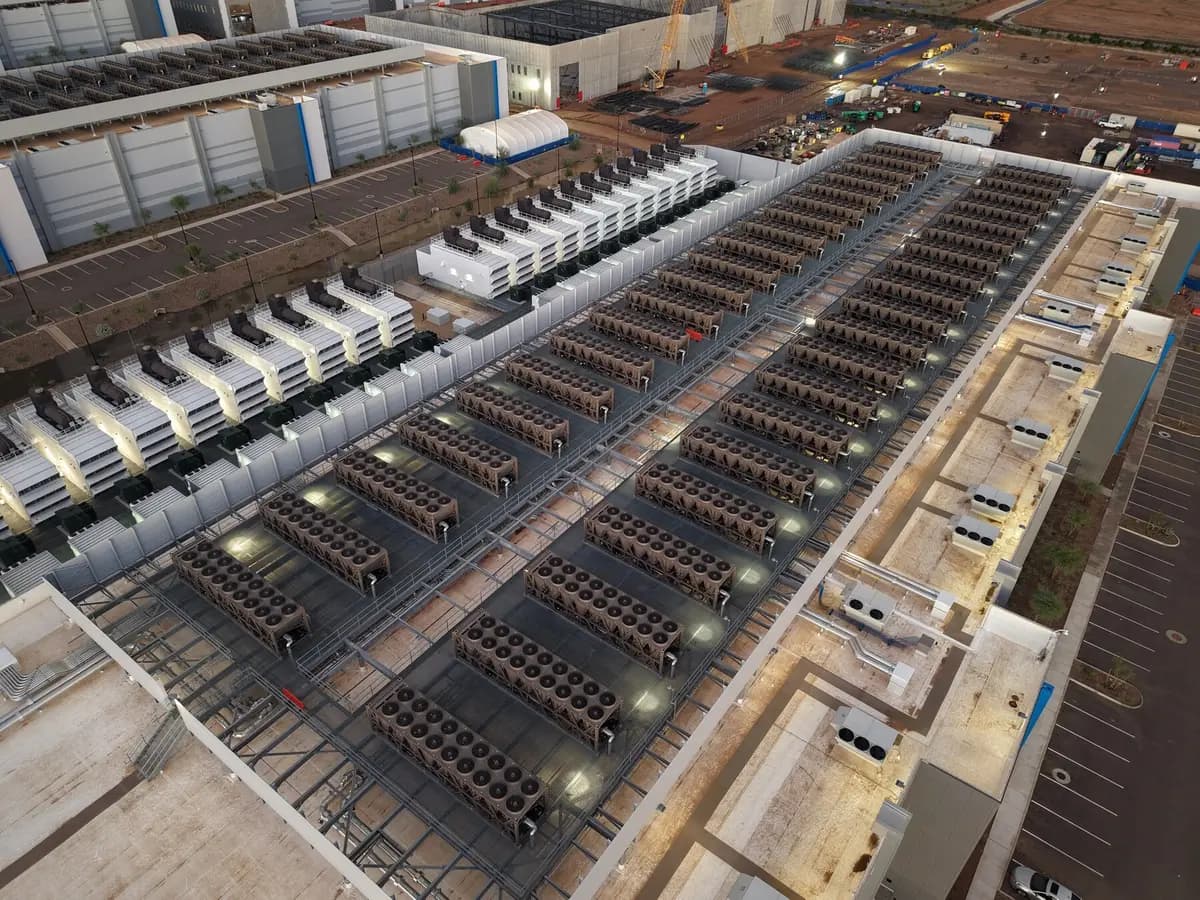
AI growth is moving beyond chips as electricity, water, grid access, transformers and cooling capacity become the next strategic bottlenecks.

Google's energy and infrastructure partnerships reflect a shift toward securing carbon-free baseload power for large-scale AI computation.

OpenAI's reported IPO preparations could reshape how public markets evaluate frontier AI. Investors will scrutinize infrastructure costs, energy demands, governance, and regulatory risks.