AI’s Hidden Inflation Loop Is Now Visible
AI’s 2026 buildout is linking bond supply, hyperscaler cash flow and grid costs. SIAIntel maps the feedback loop and introduces the ACPI framework.
14 min read
93%source confidence

93%source confidence
Authority path
Start with the strongest SIAIntel analysis in this topic, then follow the latest reporting below.
Category Intelligence
Central banks, credit, inflation, fiscal pressure, and growth signals.
Equities, bonds, liquidity, capital rotation, and risk-pricing signals.
Central banks, credit, inflation, fiscal pressure, and growth signals.
Chips, data centers, grid demand, capital spending, and adoption signals.
Supply routes, security shocks, sovereign risk, and energy infrastructure.
Market structure, stablecoins, regulation, tokenized finance, and settlement rails.
AI’s 2026 buildout is linking bond supply, hyperscaler cash flow and grid costs. SIAIntel maps the feedback loop and introduces the ACPI framework.
Aluminium can look liquid on the LME while origin, tariffs, war damage and cable conversion make grid-ready metal much tighter.
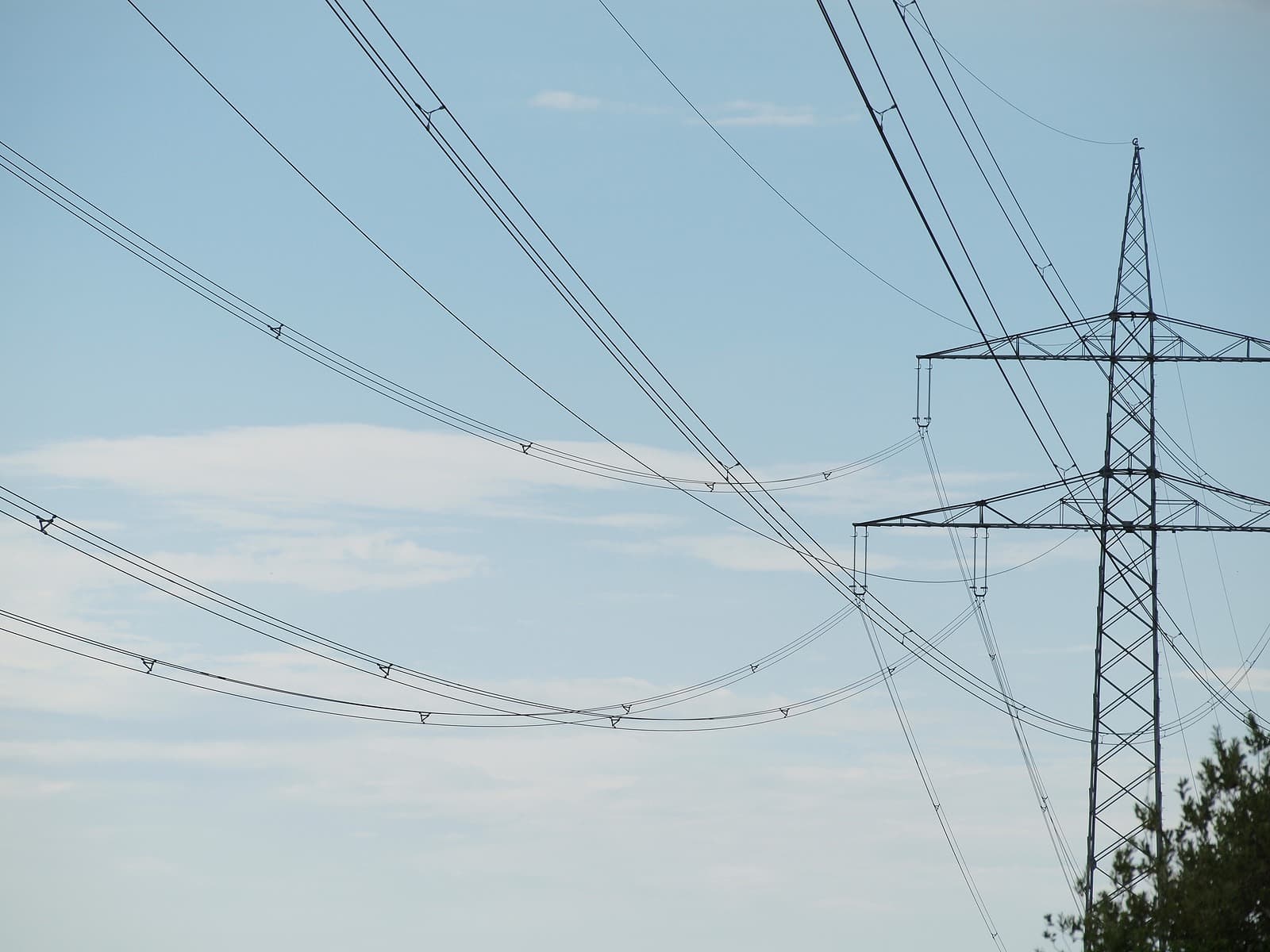
Nvidia’s $500B compute-financing push could turn AI hardware into a new collateral class, linking GPU values, power access and private credit.
War-driven energy inflation, Treasury supply, AI financing and China's record loan contraction point to a new Credit Concentration Regime.

NOAA puts a very strong El Niño above 90%. SIAIntel tracks the hidden inflation route through rivers, canals, hydropower and food logistics.

US PPI went flat, but AI infrastructure commitments, bond supply and grid bottlenecks may keep long-term financing costs elevated even if the Fed pauses.
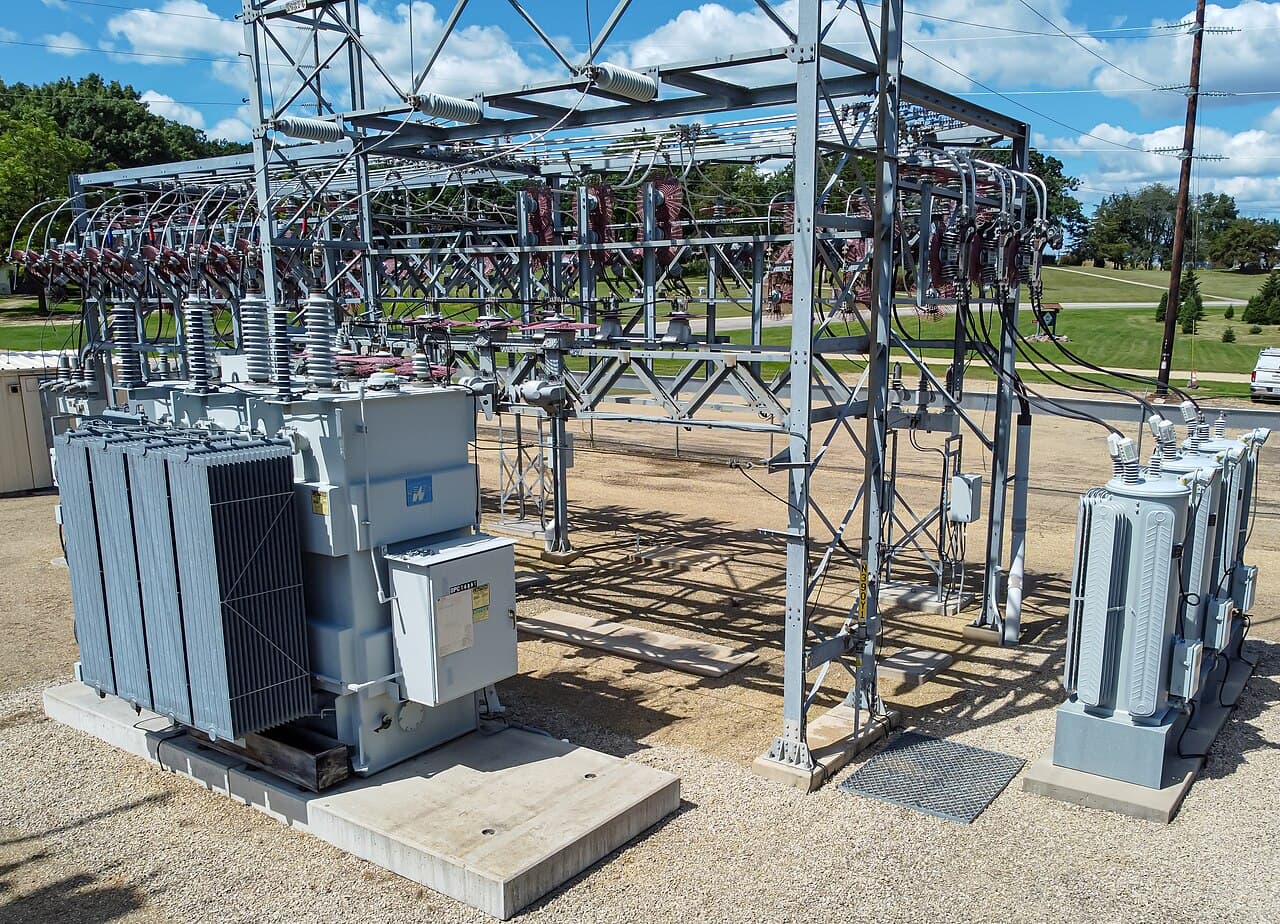
July CPI matched forecasts. CoreWeave credit terms and FERC’s Aug. 17 deadline now test the real cost of financing and connecting AI megawatts.

US payrolls fell by 23,000 while the labor force shrank by 264,000 and unemployment dropped to 4.1%. July CPI is now the Fed’s next critical policy trigger.
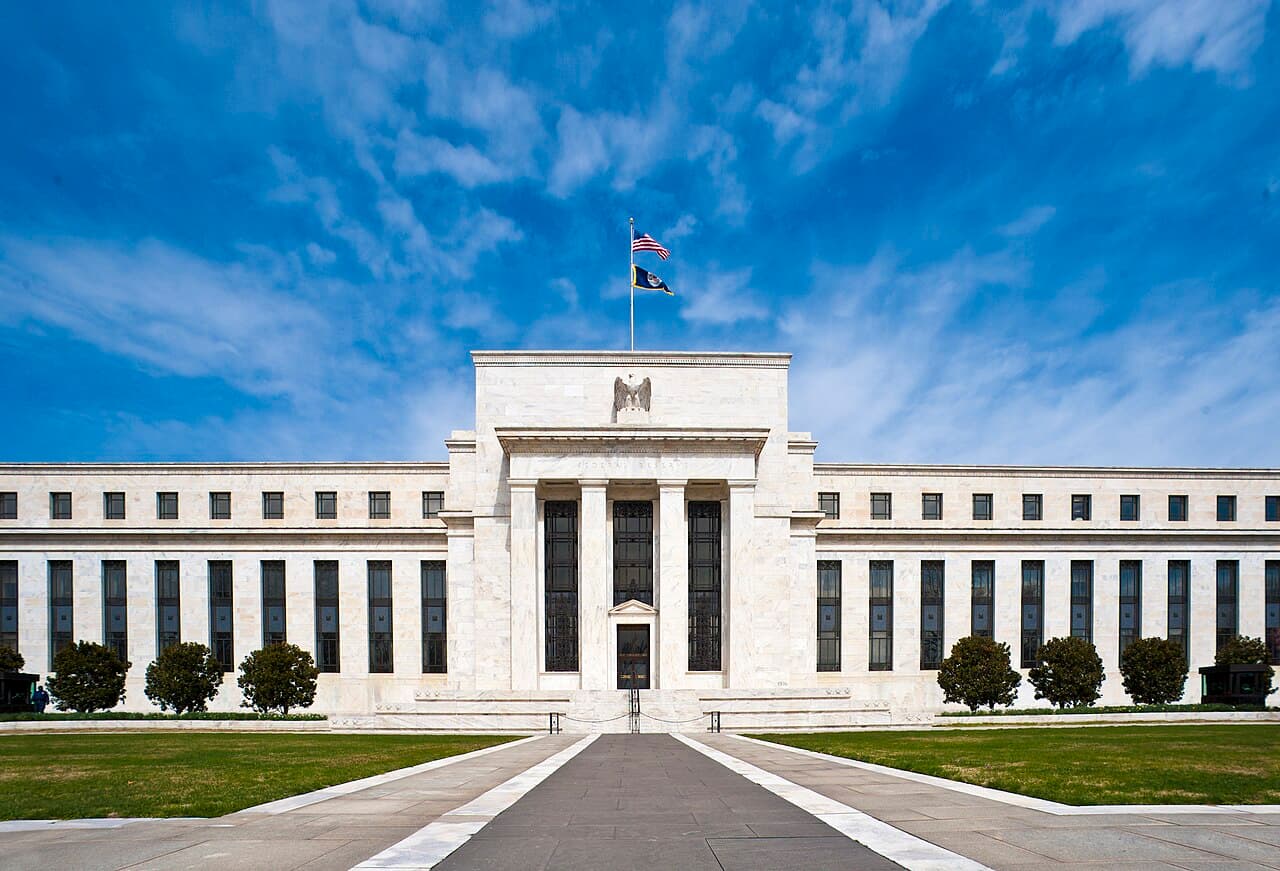
Japan’s weak yen, rising JGB yields and fiscal expansion are forcing the BOJ into a rate trap that could reshape global bond markets.

Exxon and Chevron earned $26.6B as refining scarcity, Hormuz transit and war-risk insurance reshaped the inflation and Fed outlook.

The July 18 GENIUS Act deadline passed without a coordinated final rulebook, leaving a $310 billion stablecoin market in a legally unfinished transition.

Japan is moving beyond fixed FX thresholds. Before the July 31 BOJ meeting, short-yen carry trades face a new position-risk regime as spot volatility tests the 160–163 zone.

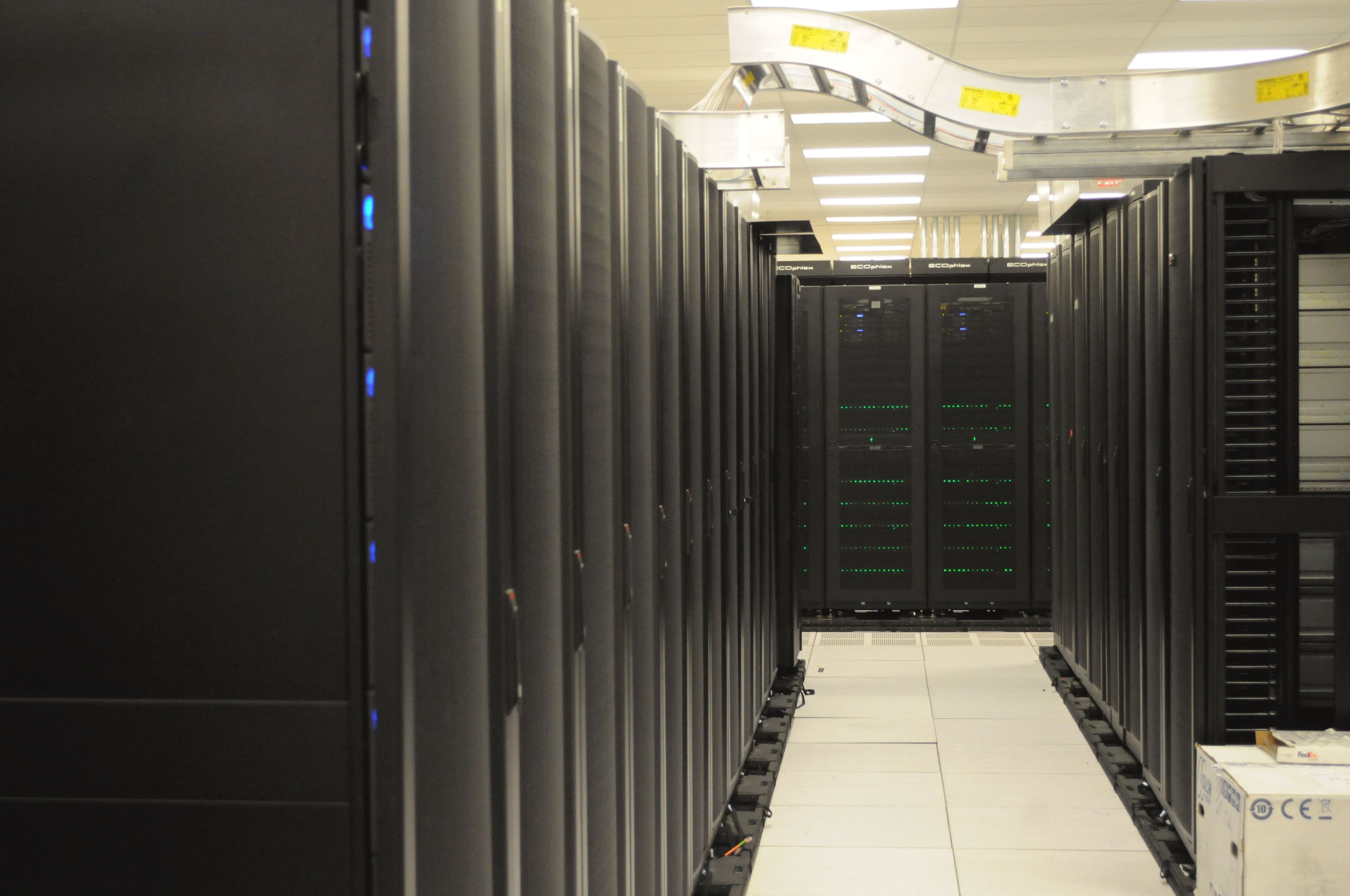
Data center power demand is colliding with grid capacity, utility capex, and bond markets. Here is how AI's electricity problem became a credit-market problem.
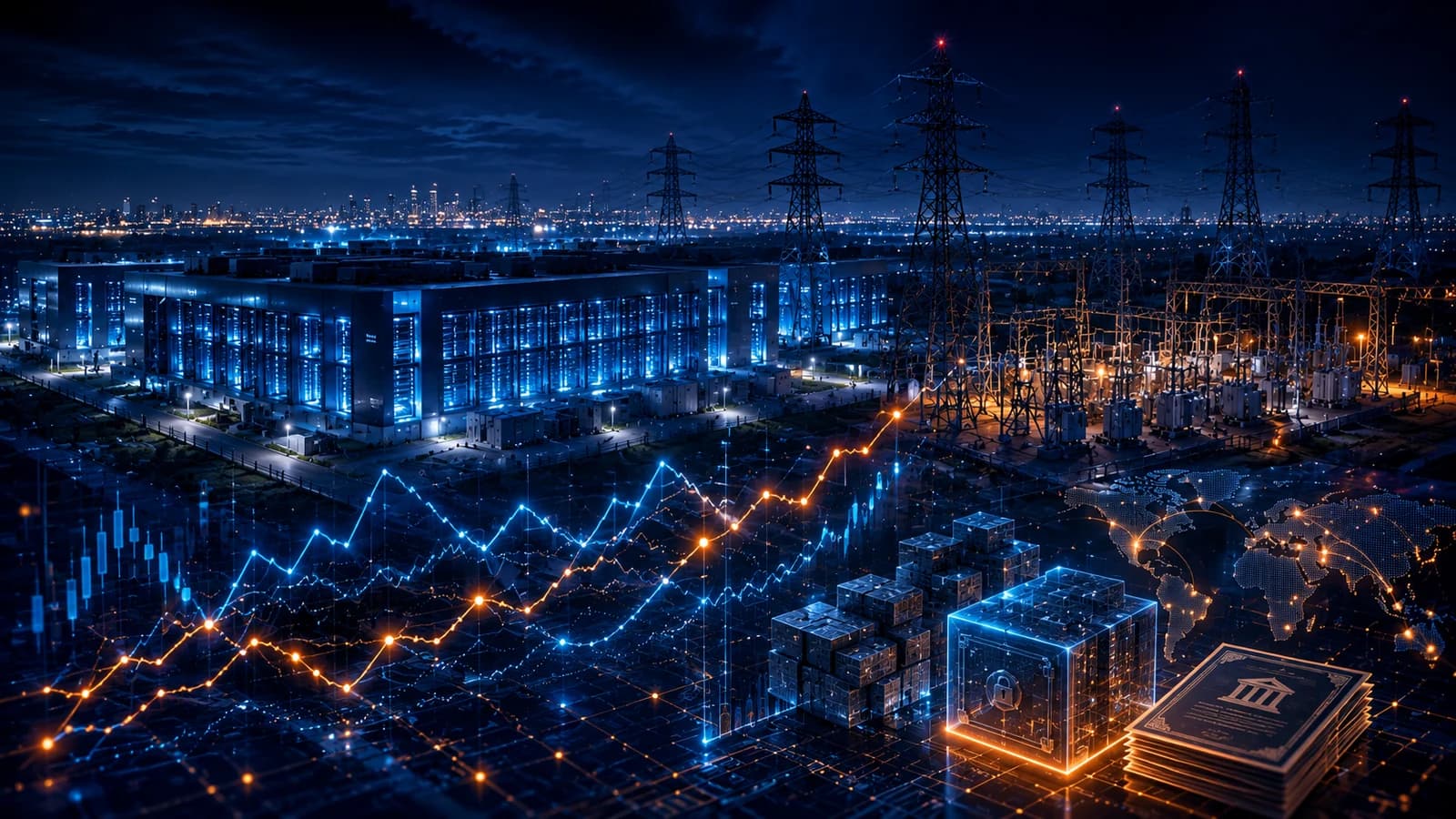
The real AI risk is no longer model intelligence. It is the balance sheet. AI agents are turning compute demand, token burn, stablecoin payments and short-term government debt into a new financial loop.

Japan's role as a major foreign holder of U.S. Treasuries is an early-warning signal for the global cost of capital. Higher domestic JGB yields and rising fiscal pressure are changing the incentives for one...

Analysis of MUFG, SMBC, and Mizuho's 2027 stablecoin plans. Analyzing how digital yen reserves and on-chain repo could reshape JGB demand and Asian settlement rails.
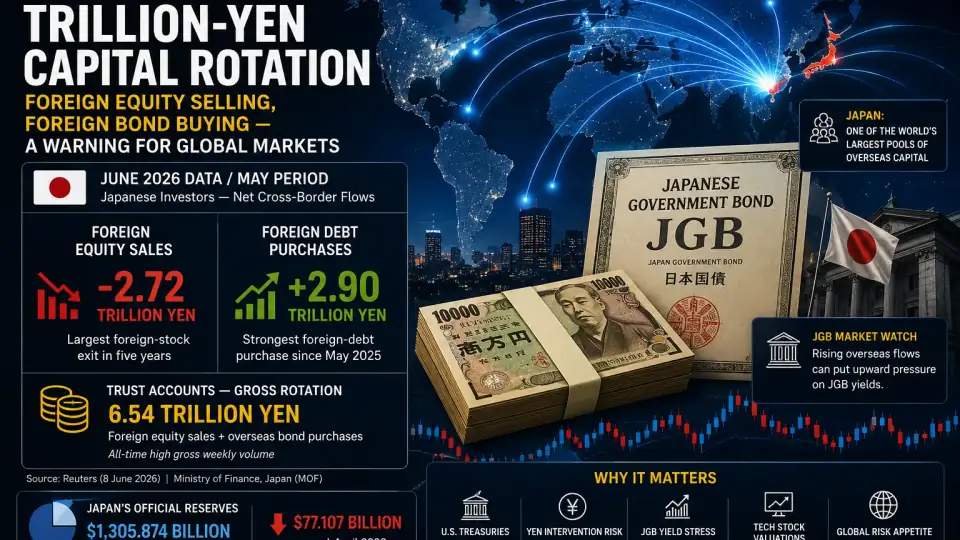
Japanese investors sold foreign equities and bought foreign bonds in May, sending a warning through U.S. Treasuries, tech stocks, the yen and global risk appetite.
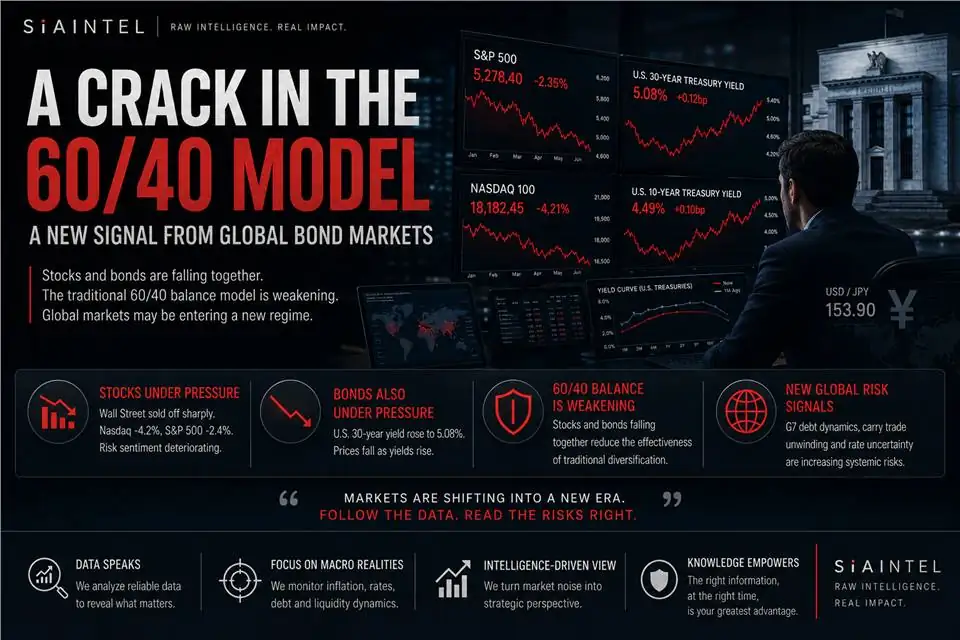
Treasuries are losing part of their hedge role as G7 debt stress, inflation risk and stock-bond correlation reshape global portfolio strategy.
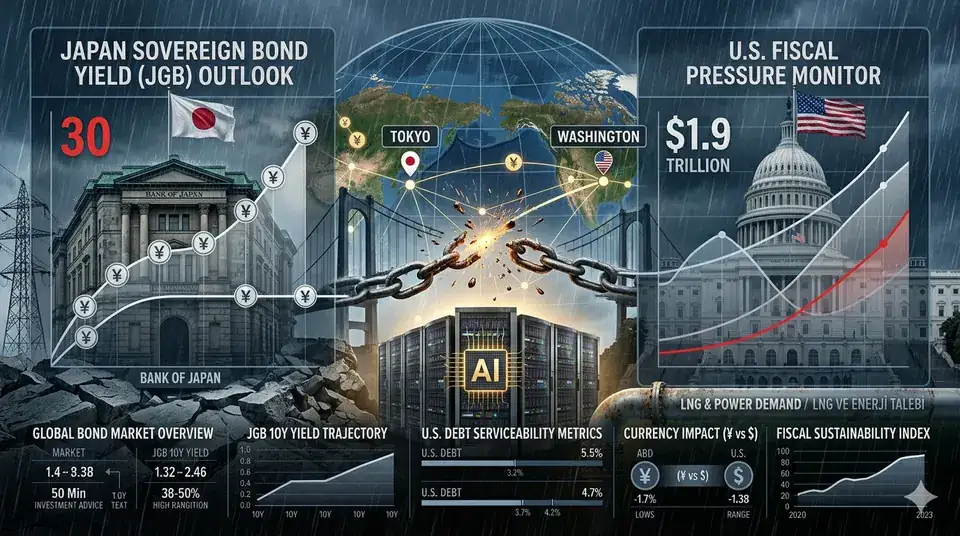
Japan's 30-year high bond yield and America's $1.9 trillion deficit projection are sending a global warning signal, from mortgages and pensions to emerging-market debt.
Pressure in the jet fuel market could make flexibility, cancellation rights and safer connection times more important than simply choosing the cheapest ticket this summer.