Google's energy and infrastructure partnerships reflect a shift toward securing carbon-free baseload power for large-scale AI computation.

OPENING CONTEXT
Google's recent agreements suggest a shift in how the company manages its global data center infrastructure to address the electricity requirements of advanced artificial intelligence models. By entering into specialized partnerships with energy providers and infrastructure firms, the company is exploring pathways toward securing the carbon-free baseload power necessary for large-scale computation. This strategic direction aims to address the physical resource requirements of the AI era, specifically the availability of steady power for specialized hardware.
WHAT IS BEING REPORTED
Institutional disclosures and market reports indicate that Google has expanded its infrastructure commitments through several key agreements:
• Modular Nuclear Energy: A partnership with Kairos Power aims to deploy a 500-megawatt (MW) fleet of small modular reactors (SMRs). The first commercial reactor is expected to be operational by 2030, with additional units deployed through 2035.
• Geothermal Framework: A 3-gigawatt (GW) framework agreement with Fervo Energy provides Google with a "right of first refusal" on portions of Fervo's development pipeline. This framework is non-binding and does not obligate Google to purchase the full capacity.
• Infrastructure Joint Venture: A partnership with Blackstone involves an initial $5 billion equity commitment to build 500 MW of AI-optimized data center capacity by 2027. This venture is designed to support Google's Tensor Processing Units (TPUs).
WHY ENERGY IS BECOMING AN AI CONSTRAINT
The transition toward large-scale AI model training and inference has increased the demand for high-density power. Specialized hardware, such as GPUs and TPUs, requires significant volumes of uninterrupted electricity.
As traditional power grids face increasing demand, large technology firms are seeking alternatives to conventional utility structures. By collaborating on dedicated clean power projects, Google is attempting to mitigate potential operational constraints related to regional power availability and fossil-fuel price fluctuations.
MARKET AND INVESTOR IMPLICATIONS
These infrastructure initiatives reflect changes in how institutional investors evaluate large-scale technology firms. There is an increasing focus on capital efficiency and resource security alongside traditional software growth metrics.
By aligning AI data centers with next-generation energy sources, Google aims to manage long-term operational costs and meet global environmental compliance standards. The partnership with Blackstone also introduces a vertically integrated model, potentially allowing broader market access to Google's proprietary hardware.
SIAINTEL STRATEGIC ANALYSIS
SIAIntel analysis suggests that the competition for AI leadership is increasingly tied to infrastructure capacity, effectively transitioning from a software-tier battle to an infrastructure-driven phase of AI competition. In this context, Google's interest in modular nuclear and geothermal energy could serve as a potential long-term infrastructure advantage, addressing power constraints as AI scaling continues.
Furthermore, the venture with Blackstone represents a strategic move to create a more independent ecosystem for Google's TPUs, which may reduce reliance on third-party accelerator markets over time. As the market re-evaluates the costs of artificial intelligence, infrastructure independence may become a key differentiator among large technology platforms.
Risk Note: Large-scale infrastructure and energy projects involving emerging technologies are subject to execution risks, including regulatory approval timelines, technical challenges in reactor deployment, and high capital intensity. The success of these initiatives depends on long-term project viability and the stability of the evolving energy regulatory landscape.
Editorial Credit
This intelligence brief was prepared by the SIAIntel Editorial Desk.
Some contributors work in sensitive public-sector, regulatory, market, or editorial roles. Their identities may be withheld when professional duties, source protection, or safety require confidentiality.
Editorial and publishing accountability: Sefa Karahan, Founder & Publisher
Related Intelligence
Related intelligence in this category · 3 briefs
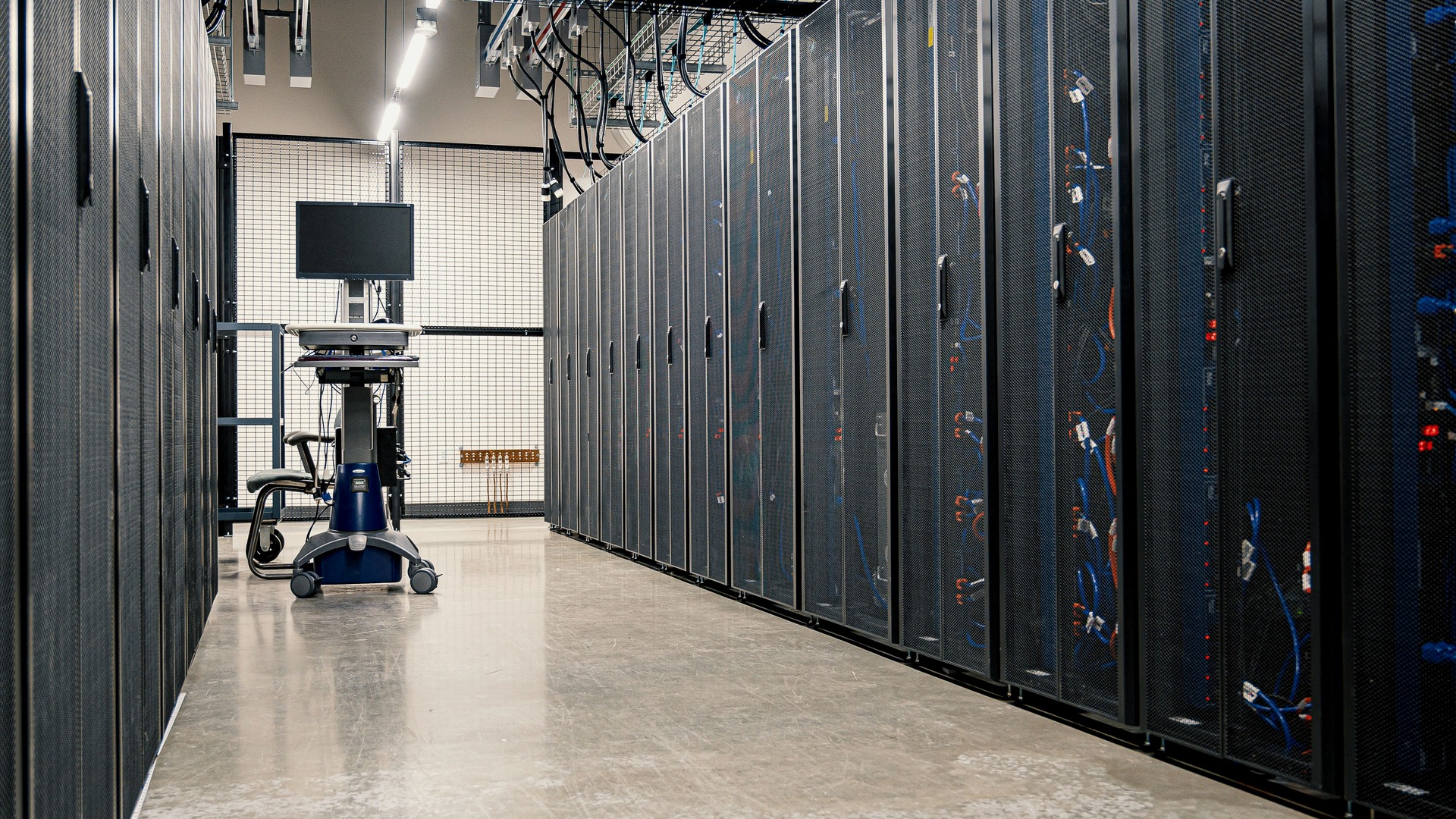
Meta’s $12.3B Bond Exposes Wall Street’s AI Debt Machine
Meta’s $12.3B data-center bond shows how Wall Street is turning Big Tech lease promises into investment-grade AI debt—and pricing a new risk premium.

3 GW Vanished: Data Centers Shock America’s Largest Grid
More than 3 GW of data-center load vanished from PJM. See the hidden AI grid risk, investor impact, Virginia tax cost and next regulatory catalysts.
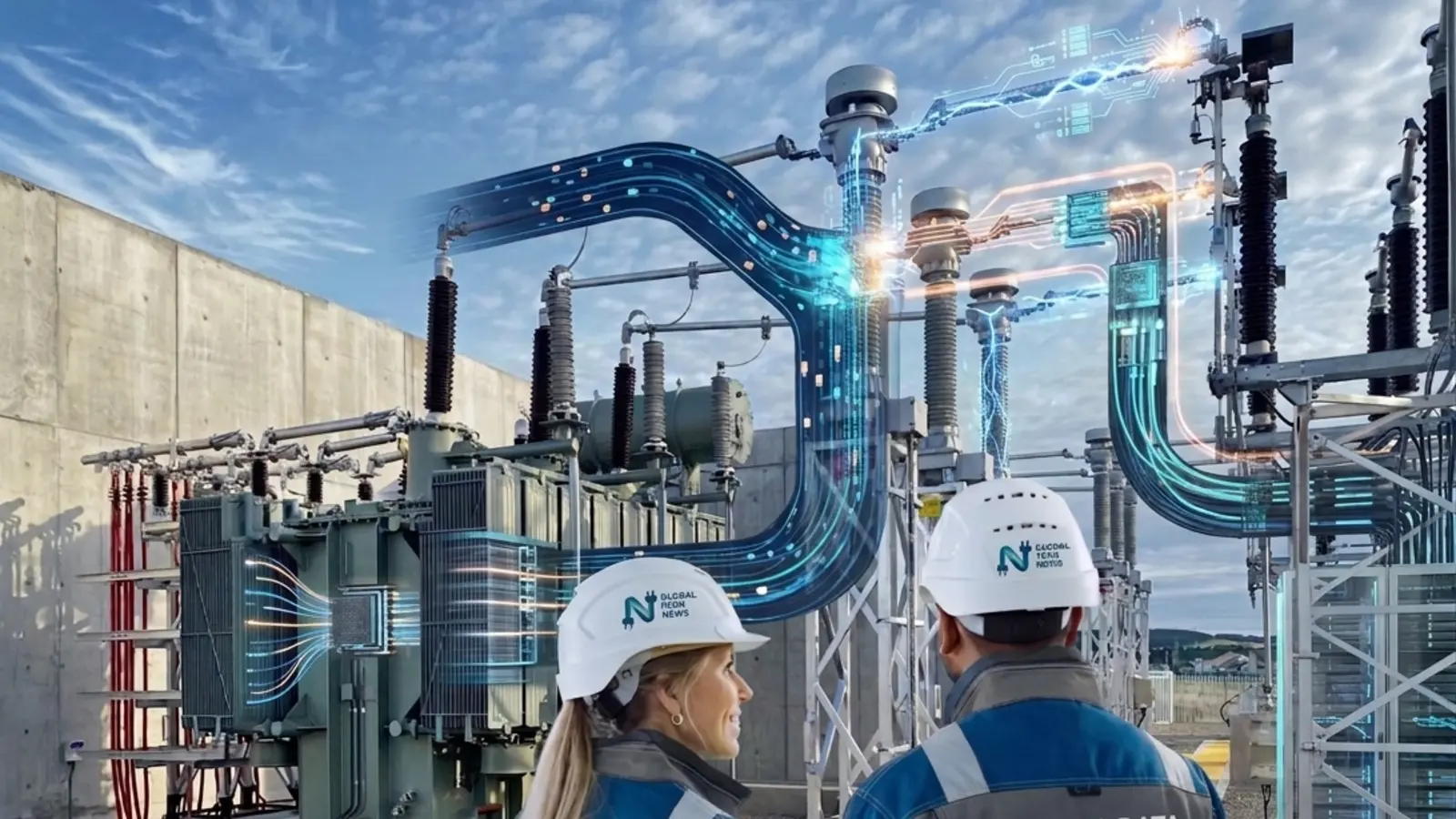
AI’s Megawatt Margin Call Has Begun: Ofgem Turns Grid Access Into a Credit Test
Ofgem’s £71.3m collateral proposal, Oracle’s BBB- rating and a 73 GW queue turn AI data-centre grid access into a live credit test.