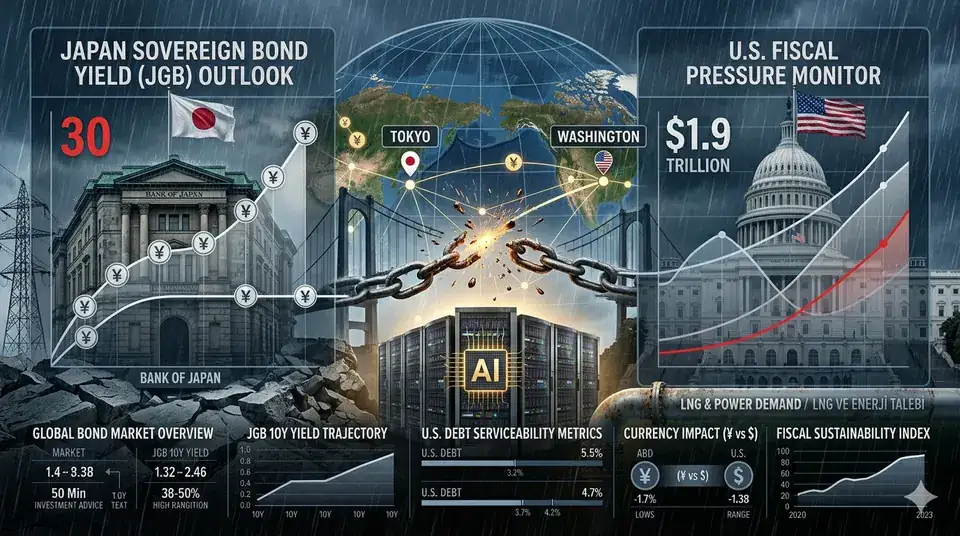
Wall Street May Be Underpricing the New AI Grid Rule
A five-stock event study and SEC-filed contracts show no durable equity discount after FERC—while power terms already reach project finance.
8 min read
94%source confidence
94%source confidence
Intelligence Archive
All published SIAIntel reports available in this locale, ordered from newest to oldest.
Central banks, credit, inflation, fiscal pressure, and growth signals.
A five-stock event study and SEC-filed contracts show no durable equity discount after FERC—while power terms already reach project finance.
SIAIntel’s 4.5% Treasury warning line has been crossed as chip stocks enter a bear market. The July 29 FOMC meeting is the next test of the Warsh Squeeze.
China is institutionalising AI access while the United States turns large-scale electricity access into a test of grid readiness, operating flexibility and financial collateral.
The July 18 GENIUS Act deadline passed without a coordinated final rulebook, leaving a $310 billion stablecoin market in a legally unfinished transition.

AI infrastructure debt is moving through SPVs and private credit as retirement plans open to alternatives—and households face a second exposure through power bills.

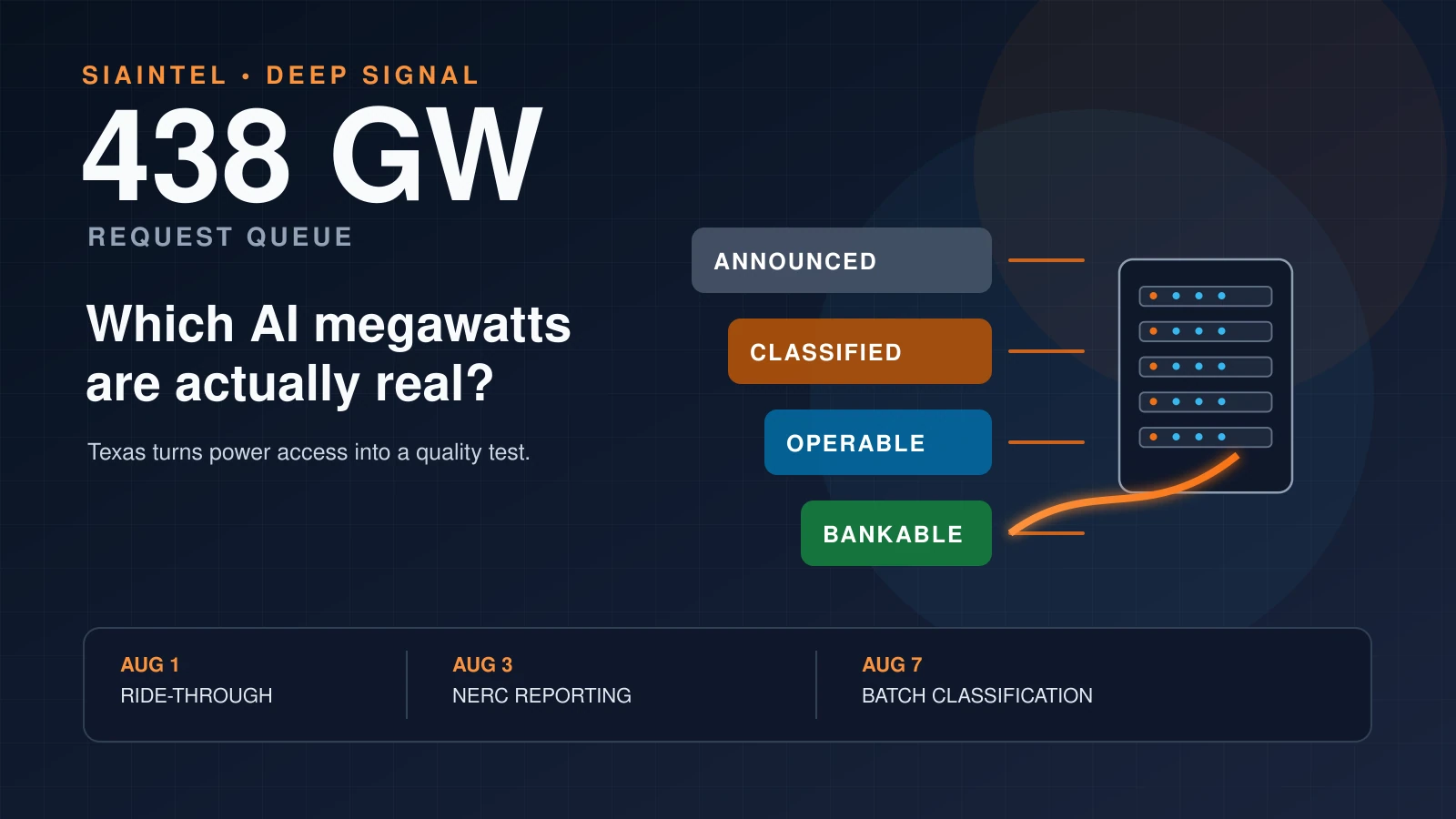
Nearly 90% of ERCOT’s 438 GW queue comes from data centers. On August 7, Batch Zero will show which AI projects advance—and which remain speculative.
More than $70 billion in AI/HPC contracts is turning bitcoin miners into energy-backed data-centre companies financed by Big Tech.
PJM’s July 14 auction, a $325/MW-day cap and 160-week equipment delays show why AI’s next bottleneck may be firm power.
Japan is moving beyond fixed FX thresholds. Before the July 31 BOJ meeting, short-yen carry trades face a new position-risk regime as spot volatility tests the 160–163 zone.

On July 3, PJM turned demand response into a live AI infrastructure signal. The grid was not only pricing electricity. It was rationing flexibility. For data centers, utilities and investors, the next scarci...

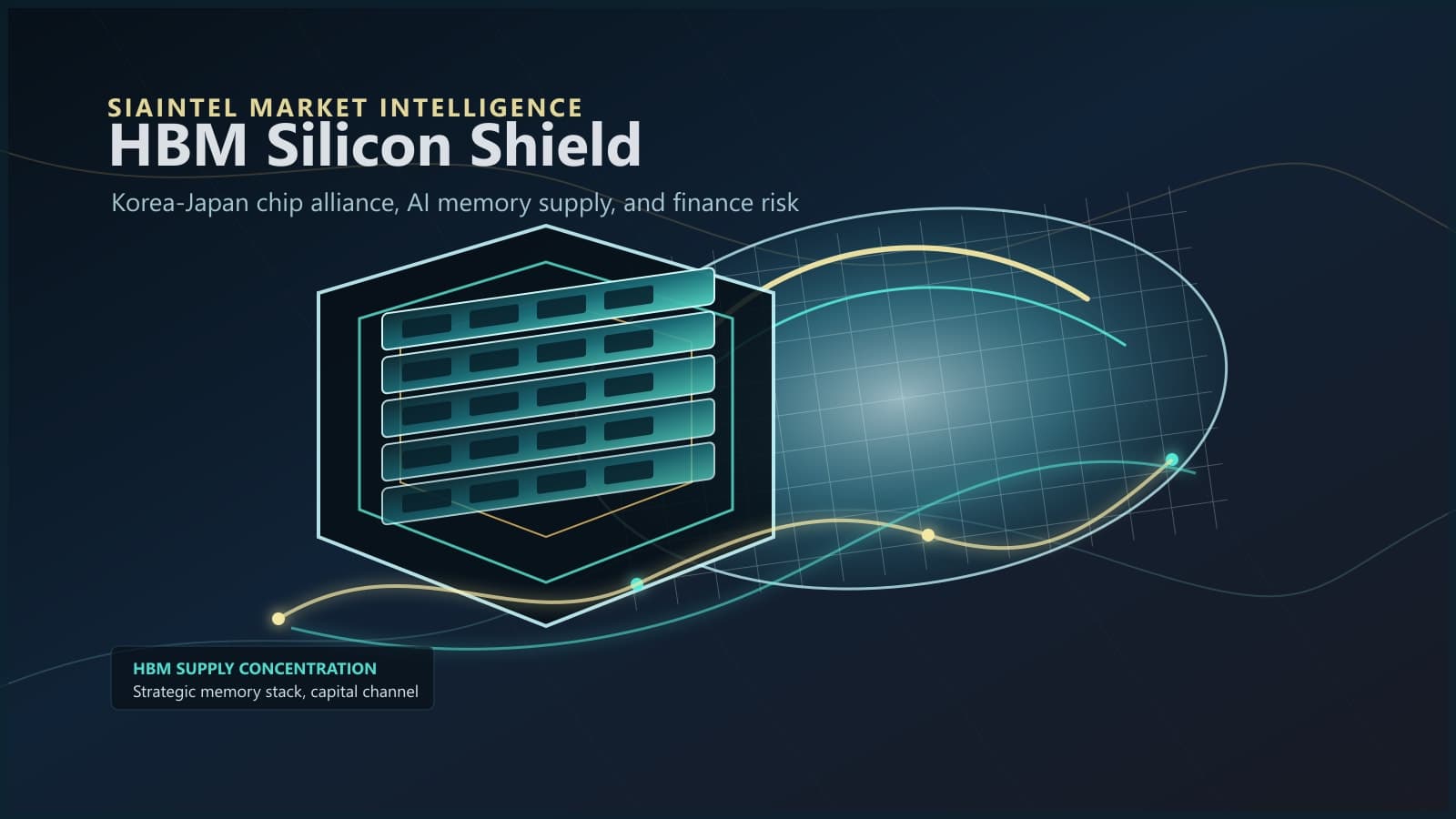
High Bandwidth Memory (HBM) has transitioned from a commodity component to a strategic sovereign asset. The concentration of production in South Korea creates a 'Silicon Shield' that underwrites global AI li...
Data center power demand is colliding with grid capacity, utility capex, and bond markets. Here is how AI's electricity problem became a credit-market problem.
An $810 million data-center note backed by an Amazon lease shows the shift: AI power access is no longer just infrastructure. It is becoming collateral. That is the Dollar-Watt Loop.

The real AI risk is no longer model intelligence. It is the balance sheet. AI agents are turning compute demand, token burn, stablecoin payments and short-term government debt into a new financial loop.

Gulf capital is moving into Nvidia chips, data centers and power infrastructure. The next AI race may be decided by who controls compute, electricity and cloud capacity.

The Hormuz normalization gap shows why oil-price relief can arrive before shipping security, insurance terms, LNG flows and port operations have fully recovered.

The Fed is removing the market’s guidance cushion just as AI data centers turn electricity access into a capital-market risk.
A premium SIAIntel analysis of how the Warsh Fed held rates steady while dot-plot signals, Treasury yields, dollar pricing and energy risk lifted the global risk premium.

Japan's role as a major foreign holder of U.S. Treasuries is an early-warning signal for the global cost of capital. Higher domestic JGB yields and rising fiscal pressure are changing the incentives for one...

AI Power in Évian: Did Trump's "Greenland" Whisper Expose the New Northern Front of AI Geopolitics?
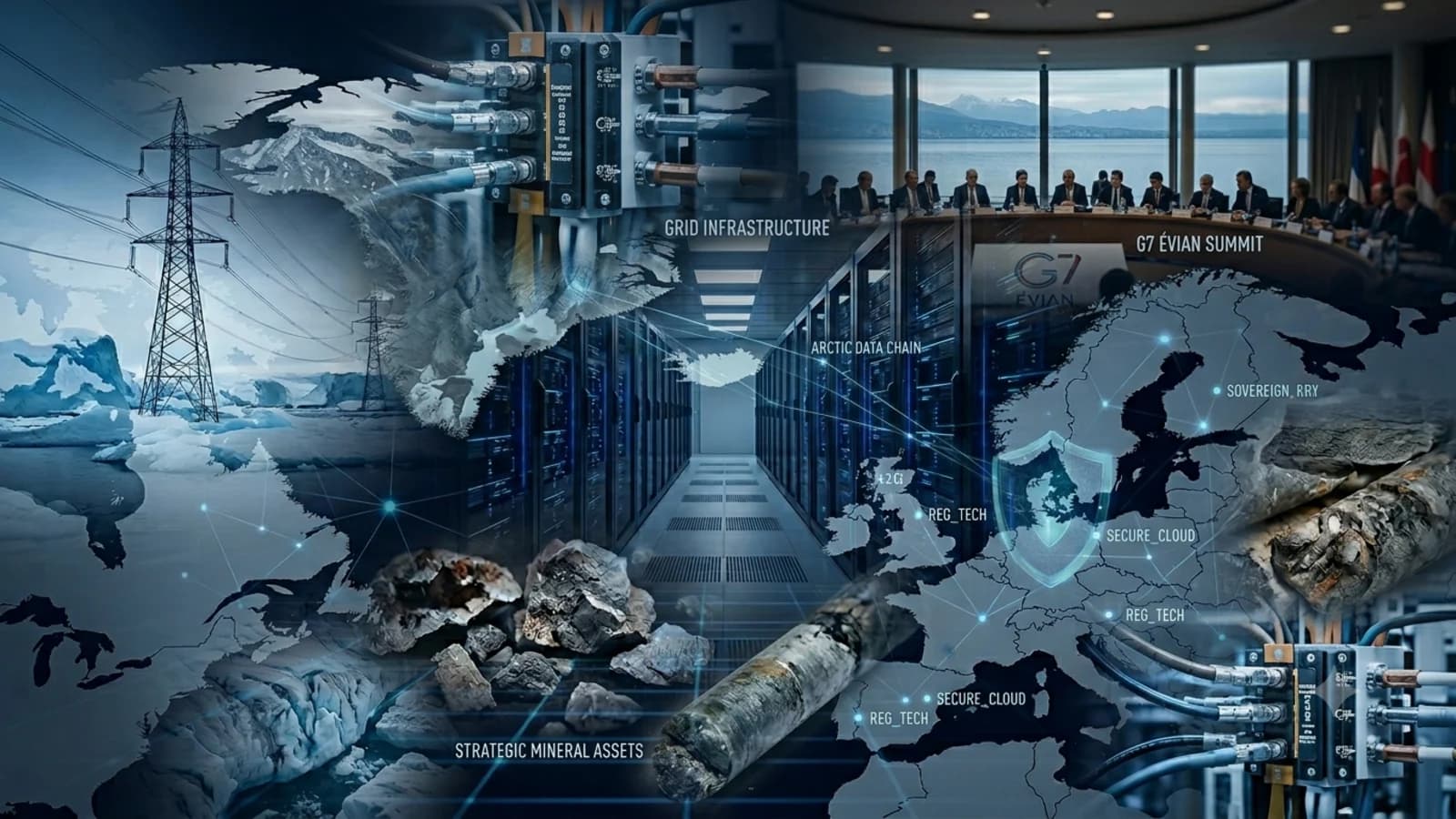
Global capital markets are pricing a multi-layered peace dividend as the US-Iran framework agreement targets the reopening of the Strait of Hormuz.

As EU data center capacity heads toward 28 GW by 2030, AI power demand is reshaping electricity prices, grid investment, industrial competitiveness and the green transition.

Bond volatility, oil shocks and currency pressure are converging into a new sovereign stress test for governments, companies and developing economies.

Analysis of MUFG, SMBC, and Mizuho's 2027 stablecoin plans. Analyzing how digital yen reserves and on-chain repo could reshape JGB demand and Asian settlement rails.