The Fed is removing the market’s guidance cushion just as AI data centers turn electricity access into a capital-market risk.
1. Executive Signal
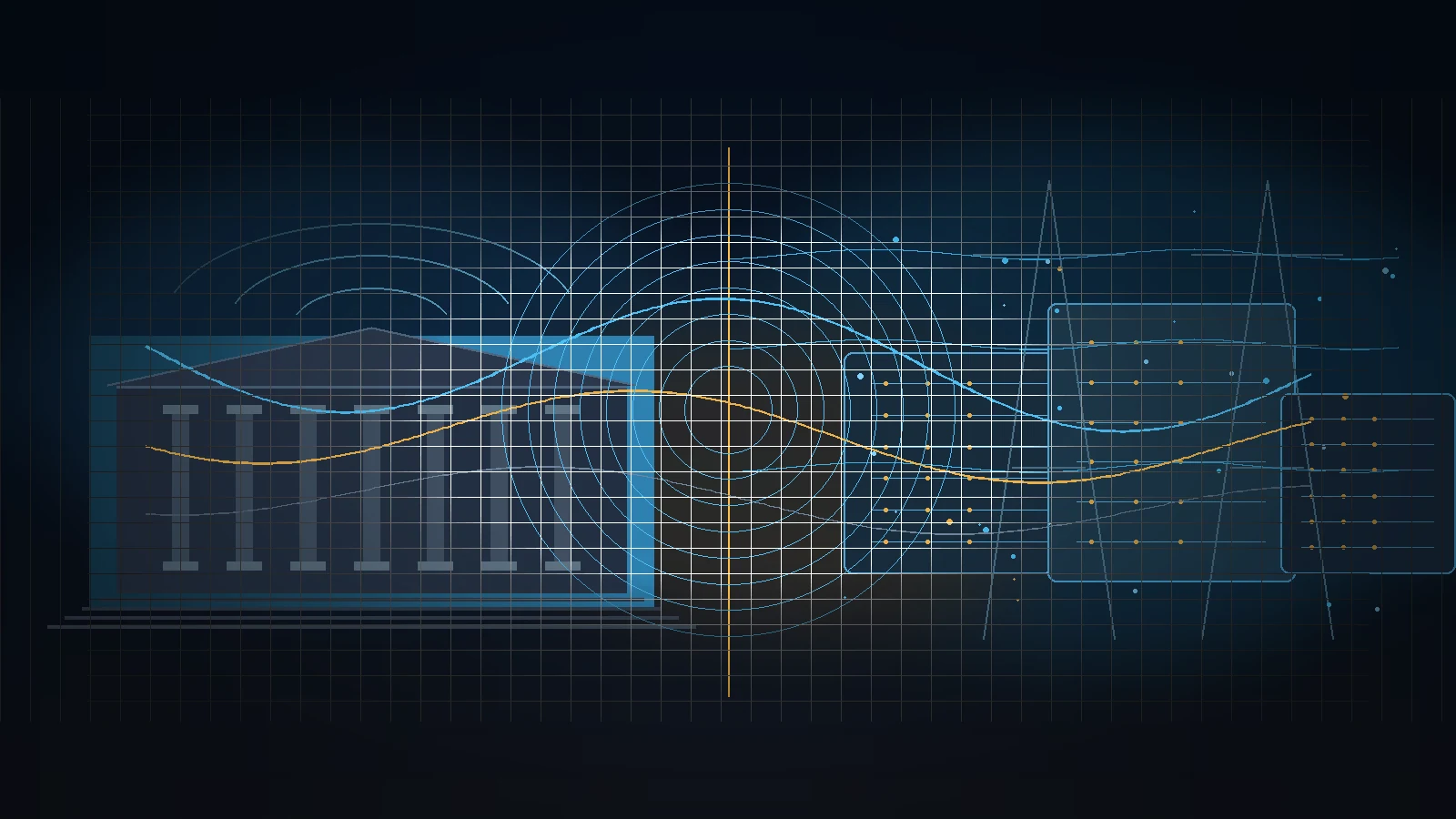
The global macro regime has entered a "double squeeze." In Washington, the Federal Reserve under Chair Kevin Warsh is reducing the market’s forward-guidance cushion, forcing investors to price risk without a central-bank safety net. Simultaneously, the Federal Energy Regulatory Commission (FERC) has signaled that the AI data center boom is no longer a localized tech trend but is testing grid planning, interconnection and cost-allocation frameworks. This convergence creates two new structural costs: a Warsh Volatility Premium on capital and a FERC Reliability Premium on energy-intensive infrastructure.
2. The Monetary Shift: A Quieter Fed Can Still Tighten
The FOMC’s decision on June 17, 2026, to hold the federal funds target range at 3.50%–3.75% was secondary to the structural shift in communication. Chair Warsh stripped near-term forward guidance out of the June statement, signaling that the Fed is moving toward a less guidance-heavy communication regime.
By reducing the market’s forward-guidance cushion, the Warsh Fed is effectively tightening financial conditions through uncertainty rather than nominal rate hikes. Investors can no longer rely on "dot plot" certainty—Warsh himself did not submit a projection—shifting the burden of price discovery back to the private sector.
3. The Grid Shock: AI Becomes a Power-Market Problem
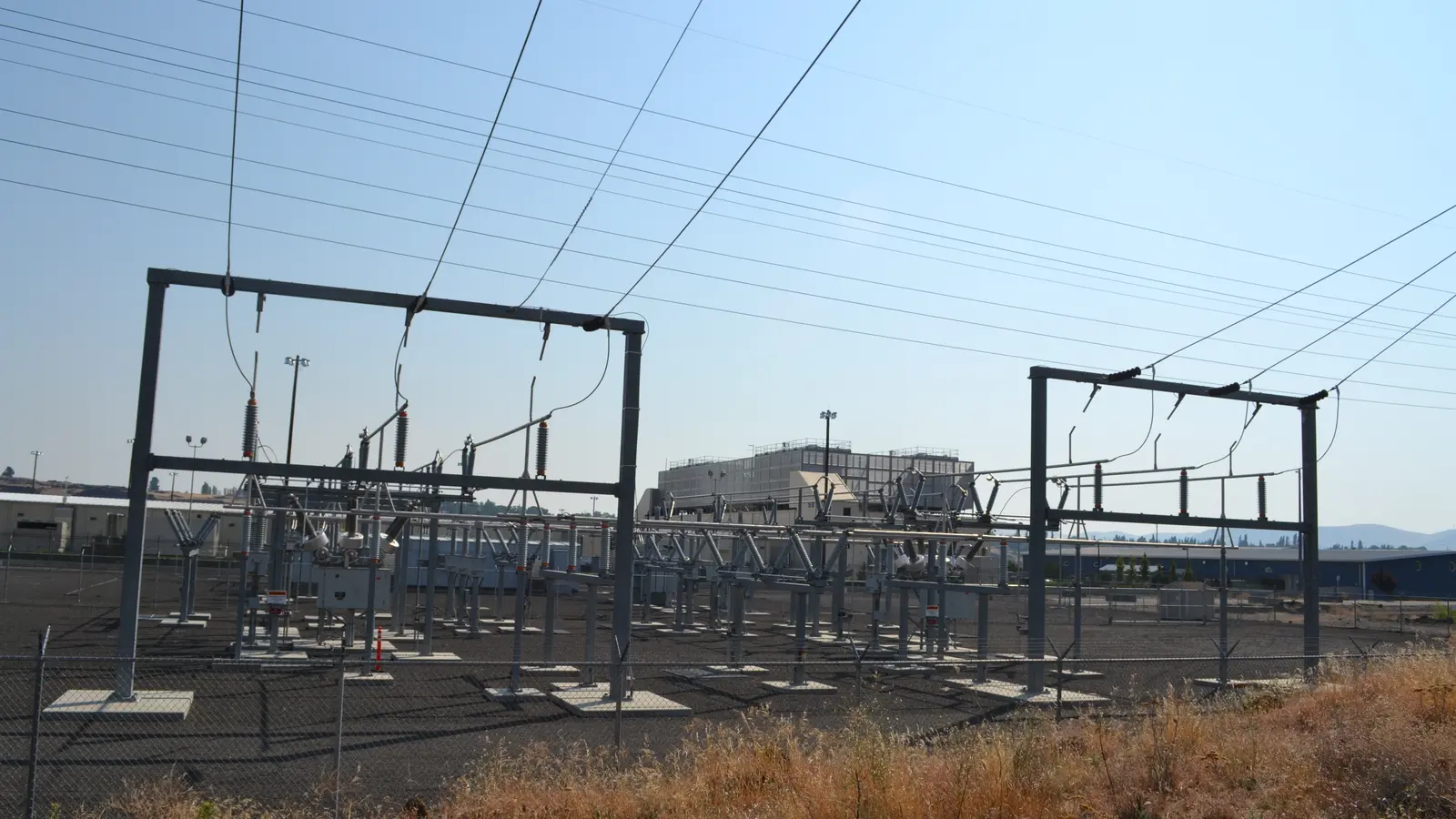
On June 18, 2026, FERC issued Section 206 show-cause orders to six major regional grid operators. This action confirms that AI’s demand for high-density power is testing grid planning, interconnection and cost-allocation frameworks.
FERC is now forcing grid operators to justify how they allocate the massive infrastructure costs required by data centers. For developers, "speed to power" now joins GPU availability as a primary valuation constraint. The grid is no longer a utility; it is a competitive moat.
4. The Double Premium: Warsh Volatility + FERC Reliability
The market is now pricing two distinct structural premiums:
1. The Warsh Volatility Premium: The extra cost of capital required as investors hedge against a Fed that no longer pre-announces its moves. With May 2026 Headline CPI at 4.2%, the risk of a hawkish surprise remains material. 2. The FERC Reliability Premium: The capital expenditure (CAPEX) required to secure dedicated power or "behind-the-meter" generation. AI companies must now pay for priority and dedicated infrastructure.
5. Strategic Impact Matrix
| Stakeholder | Strategic Impact |
|---|---|
| Technology Companies | Valuation shifts from software growth to physical "power-secured" capacity. CAPEX increases as they fund grid upgrades. |
| Banks | Rising credit risk in portfolios exposed to unhedged grid costs. Opportunity in financing massive "behind-the-meter" power projects. |
| Governments | Increased pressure to balance national AI competitiveness with residential grid affordability. |
| Utilities | Transition from passive service providers to central bottleneck managers. FERC orders accelerate transmission investment. |
| Investors | Portfolio rotation into "energy-secure" assets and away from companies dependent on legacy Fed guidance. |
| Crypto Markets | Liquidity remains the primary stress gauge. High sensitivity to the Warsh Volatility Premium. |
| Emerging Markets | Vulnerability to a "quieter" dollar. Less Fed guidance means higher volatility in USD-denominated debt and energy-import costs. |
6. Crypto as the Stress Gauge
Digital assets can react early when macro liquidity tightens. As the Fed removes the comfort of forward guidance, high-beta liquidity is a sensitive indicator of tightening. Crypto liquidity should be monitored as a possible early signal of the Fed's "data-dependent" silence before it manifests in traditional credit spreads.
7. Capital, Risk & Strategic Priority Lens
- Capital: Focus on "Energy-Hardened" balance sheets. Capital is migrating toward entities that control their own power-generation supply chain.
- Risk: The primary risk is "Guidance Withdrawal." The transition from a signaled Fed to a silent Fed creates a lag in market pricing that could lead to sudden re-valuations.
- Strategic Priority: Infrastructure sovereignty. Securing physical links (transmission, nuclear/gas assets) that sustain the AI compute layer.
8. Strategic Watch Box: Petroyuan Pressure Point
9. Key Indicators to Monitor
- 10-Year Treasury Yield: Currently at 4.46% (June 18 close); watch for break-outs above 4.5% as the "Warsh Premium" builds.
- FERC Interconnection Queues: Monitor the speed of show-cause responses from PJM and MISO.
- BLS June CPI (due July): Will determine if the May 4.2% headline was a peak or part of a sustained spike.
10. Evidence Sources
Key Takeaways
- Clean Slug: warsh-fed-ai-power-shock Deck / Subtitle: The Fed is removing the market’s forward-guidance cushion just as AI data centers turn electricity access into a capital-market risk.
- Simultaneously, the Federal Energy Regulatory Commission (FERC) has signaled that the AI data center boom is no longer a localized tech trend but is testing grid planning, interconnection…
- This convergence creates two new structural costs: a Warsh Volatility Premium on capital and a FERC Reliability Premium on energy-intensive infrastructure.
Data Snapshot
Coverage Area
MARKET
Editorial category
Read Time
~5 min
Approximate duration
Source Base
8 visible source citations
Source Map highlights 6 unique sources
Published
Jun 21, 2026
Updated: Jun 21, 2026
Source Map
6 highlighted sources
China State Council / PBOC: China-Saudi Currency Swap Agreement
OfficialOfficial source context
Federal Reserve: Official FOMC Statement, June 17, 2026
InstitutionalTreasury yield, liquidity and financial-stability context
Federal Reserve: FOMC Press Conference Transcript, June 17, 2026
InstitutionalTreasury yield, liquidity and financial-stability context
FERC: Large-Load Grid Integration Release, June 18, 2026
OfficialOfficial source context
FERC: Section 206 Show-Cause Orders & Grid Cost Allocation Fact Sheet, June 18, 2026
OfficialOfficial source context
Bureau of Labor Statistics: May 2026 CPI Release, June 10, 2026
OfficialOfficial source context
Evidence Stack & Decision Relevance
This panel shows which decision areas the story prioritizes for citizens, companies, investors and policy makers; the full capital and risk lens should be read in the article below.
Citizens and households
Relevant for budget resilience, debt management, income security and cost-of-living exposure.
Companies, SMEs, B2B and B2C
Relevant for cash flow, pricing power, supply-chain resilience, customer risk and efficiency investment.
Investors and portfolio managers
Not an investment recommendation; a monitoring frame for risk regime, liquidity, valuation discipline and balance-sheet quality.
Regulators and policy makers
Provides signals for financial stability, capital flows, debt sustainability, investment climate and policy credibility.
The full Strategic Impact Matrix and Capital, Risk & Strategic Priority Lens appear below.
Evidence Frame
This layer summarizes visible sources, article context and editorial framing. It is analytical context, not transactional guidance.
Editorial Credit
This intelligence brief was prepared by the SIAIntel Editorial Desk.
Some contributors work in sensitive public-sector, regulatory, market, or editorial roles. Their identities may be withheld when professional duties, source protection, or safety require confidentiality.
Editorial and publishing accountability: Sefa Karahan, Founder & Publisher
Related Intelligence
Related intelligence in this category · 3 briefs
AI’s Dollar-Watt Squeeze: Fed Meets PJM’s 6.8 GW Gap
A 9–3 Fed split and PJM’s 6.8 GW reliability gap show why AI infrastructure is being repriced through both capital and firm power.
AI Grid Emergency: PJM Turns Data-Center Power Into the New Scarcity Premium
On July 3, PJM turned demand response into a live AI infrastructure signal. The grid was not only pricing electricity. It was rationing flexibility. For data centers, utilities and investors, the next scarcity layer is no longer just silicon. It is firm power.

3 GW Vanished: Data Centers Shock America’s Largest Grid
More than 3 GW of data-center load vanished from PJM. See the hidden AI grid risk, investor impact, Virginia tax cost and next regulatory catalysts.